Plato, Critias 113b · 113b
Greek names in the story
Read the full text in our reader
Critias — ἀναλαμβάνων εἰς τὴν ἡμετέραν ἄγων φωνὴν ἀπεγράφετο· καὶ ταῦτά γε δὴ τὰ γράμματα παρὰ τῷ πάππῳ τʼ ἦν καὶ ἔτʼ ἐστὶν παρʼ ἐμοὶ νῦν, διαμεμελέτηταί τε ὑπʼ ἐμοῦ παιδὸς ὄντος. ἂν οὖν ἀκούητε τοιαῦτα οἷα καὶ τῇδε ὀνόματα, μηδὲν ὑμῖν ἔστω θαῦμα· τὸ γὰρ αἴτιον αὐτῶν ἔχετε. μακροῦ δὲ δὴ λόγου τοιάδε τις ἦν ἀρχὴ τότε. καθάπερ ἐν τοῖς πρόσθεν ἐλέχθη περὶ τῆς τῶν θεῶν λήξεως, ὅτι κατενείμαντο γῆν πᾶσαν ἔνθα μὲν μείζους
Critias: Solon took up the meaning of each name and wrote it down, bringing it into our own language. These writings were with my grandfather, and they are still with me now, and I studied them thoroughly when I was a child. So if you hear names like the ones we have here, do not be surprised, for you have the reason. The beginning of a long account was something like this. As was said earlier about the allotment of the gods, they divided up the whole earth, in some places into larger allotments,
Word by word
The setting
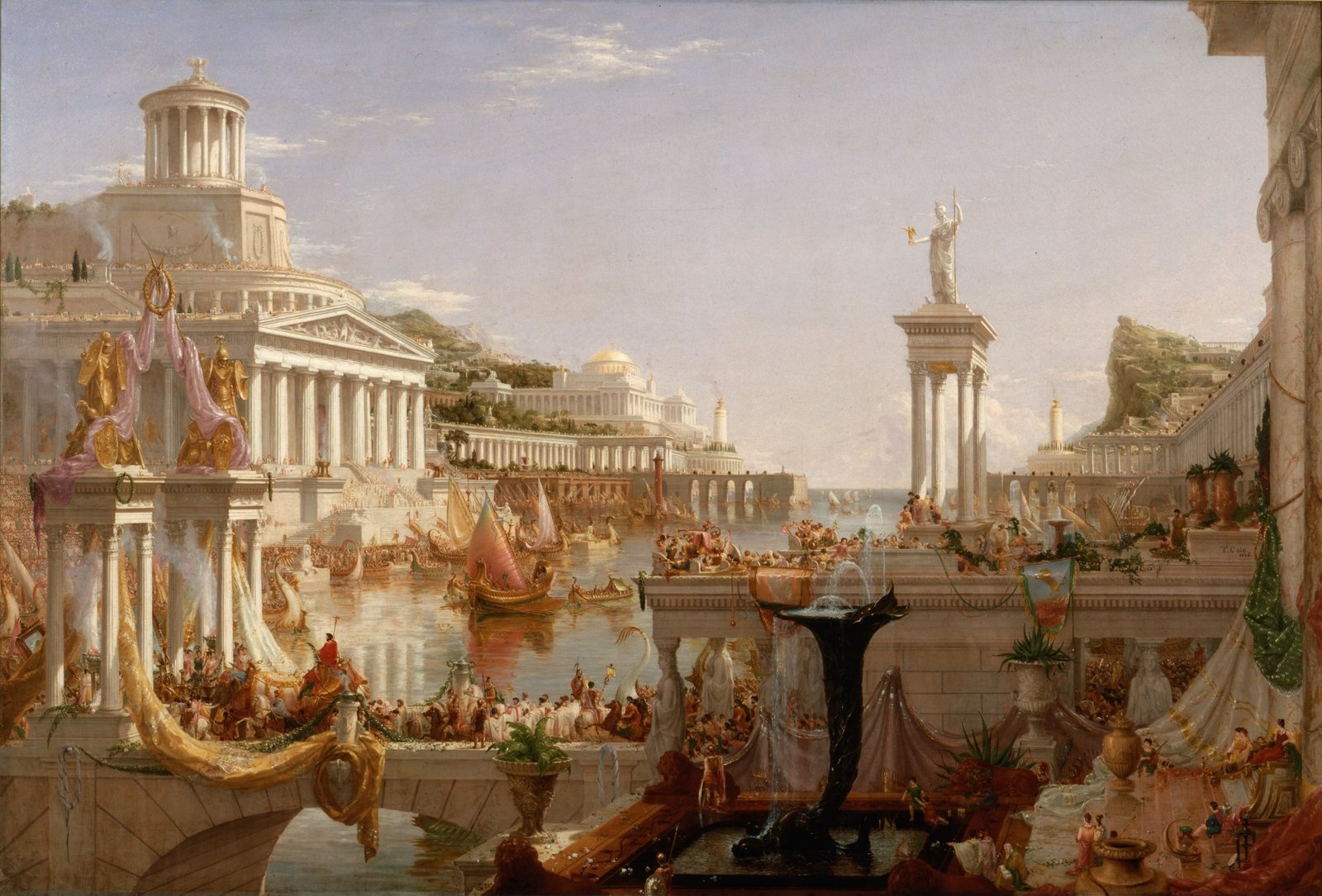
Critias explains that Solon turned the Egyptian names back into Greek, so the strange-sounding names ahead should not surprise anyone. He then recalls how the gods divided the whole earth by lot.
A note on this passage
The Greek is plain about how the names came to be Greek: Solon is analambanōn, "taking up" the sense of each name, and then apegrapheto, a middle verb meaning he had it written down for himself, eis tēn hēmeteran phōnēn, "into our own voice." Critias adds that he studied these papers as a boy, diamemelētētai hyp' emou paidos ontos, a perfect passive of diameletáō, to go over and practise something thoroughly. The reassurance he gives his hearers is to gar aition autōn echete, "for you have the reason for them," so the odd-sounding Greek of the tale is accounted for before anyone can object.
The account then returns to the lēxis of the gods, their drawing of lots, which Critias says was told earlier. The verb is katenemanto, a middle form of katanemō, to divide out, so the gods share the earth among themselves. The sentence is built as a pair, entha men meizous against a second entha in the next section, larger shares in some places and smaller in others, and it breaks off in the middle of that pair.
Read the full commentary — and tap any word for its dictionary entry — in the interlinear reader.
Open Plato, Critias 113b in the full reader
Always open passages in the reader
From the Great Library
You are reading a page of the Plato, Critias — the whole book is free in our interlinear reader.
The Great Library Project presses the classics in their original languages, glossed word by word — free to read, always. Browse the whole library.
Also on our shelves:
Plato, Critias 113b — The Great Library Project interlinear edition · greatlibraryproject.com/book/critias/113b/