Plato, Critias 120d · 120d
The kings' laws and the god's pretext
Read the full text in our reader
Critias — δέ, καθάπερ οἱ πρόσθεν, βουλευόμενοι τὰ δόξαντα περὶ πολέμου καὶ τῶν ἄλλων πράξεων, ἡγεμονίαν ἀποδιδόντες τῷ Ἀτλαντικῷ γένει. θανάτου δὲ τὸν βασιλέα τῶν συγγενῶν μηδενὸς εἶναι κύριον, ὃν ἂν μὴ τῶν δέκα τοῖς ὑπὲρ ἥμισυ δοκῇ. ταύτην δὴ τοσαύτην καὶ τοιαύτην δύναμιν ἐν ἐκείνοις τότε οὖσαν τοῖς τόποις ὁ θεὸς ἐπὶ τούσδε αὖ τοὺς τόπους συντάξας ἐκόμισεν ἔκ τινος τοιᾶσδε, ὡς λόγος, προφάσεως.
and, as the men before them had done, they deliberated about war and their other undertakings and gave the leadership to the Atlantic family. And the king was to be master of the death of none of his kinsmen, unless it seemed right to more than half of the ten. This power, so great and of such a kind as then existed in those regions, the god marshalled and brought against these lands of ours, for some such reason as this, as the story goes.
Word by word
The setting
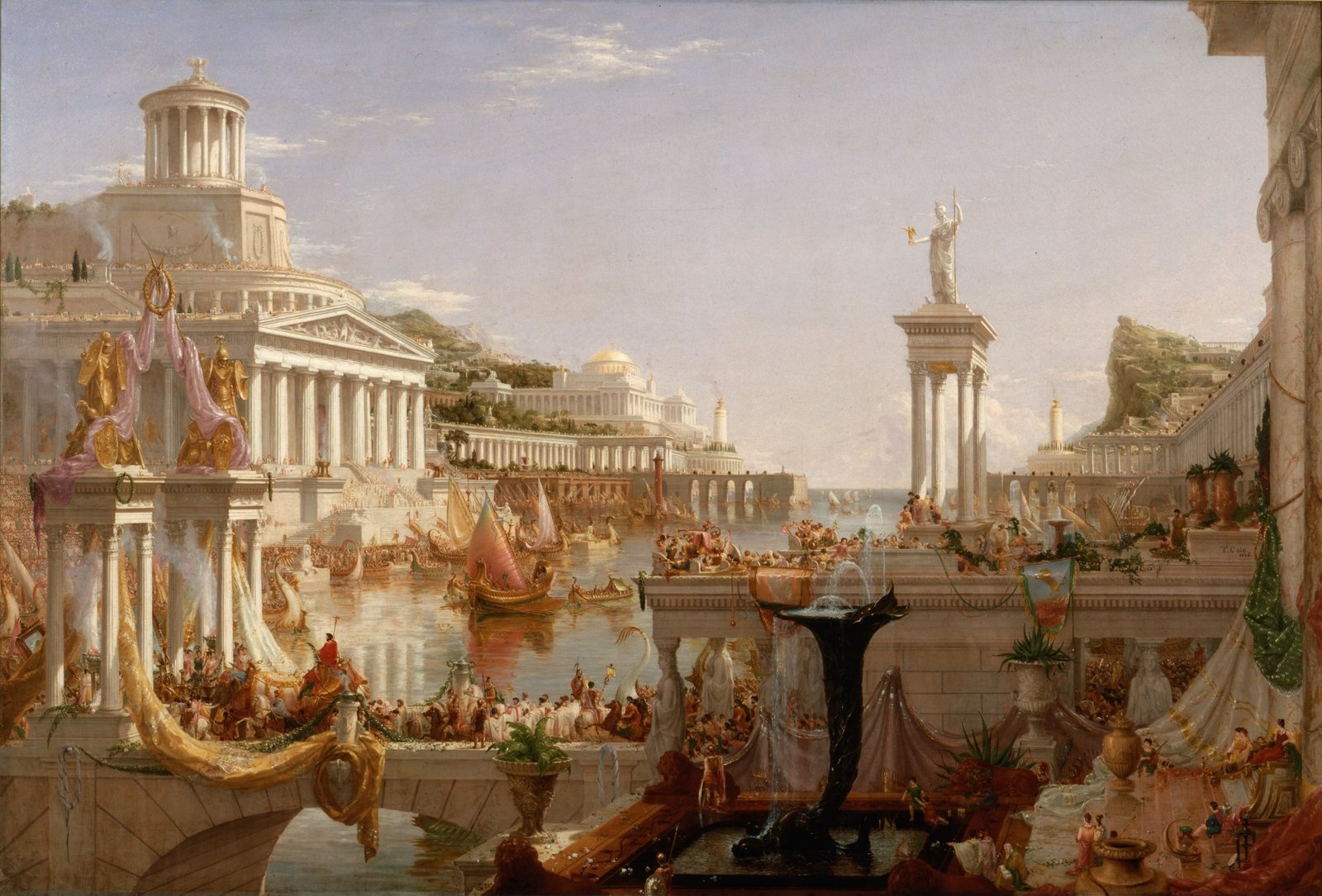
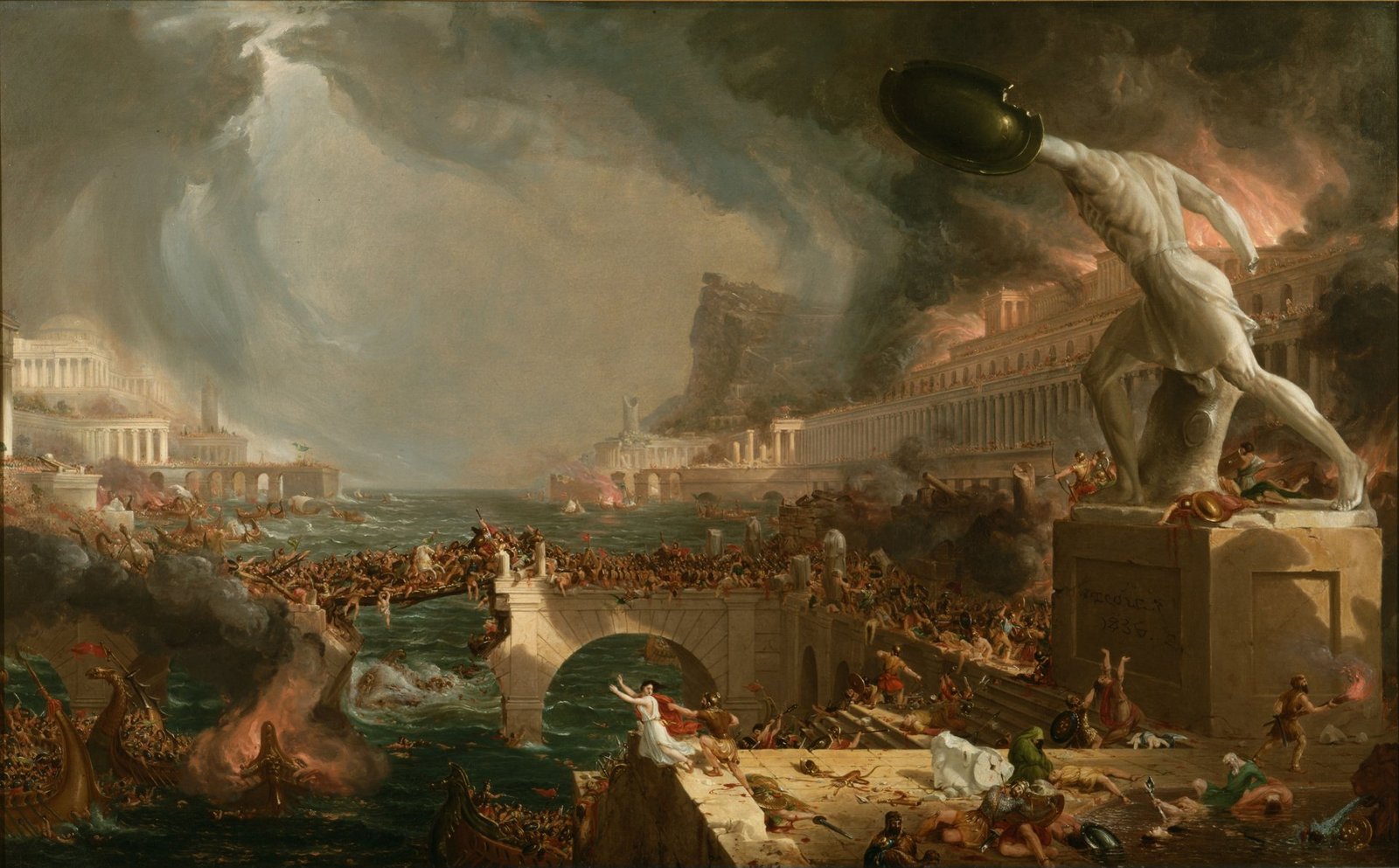
Critias finishes the account of how the ten kings of Atlantis ruled: they deliberated as before, and no king could put a kinsman to death without the vote of more than half of the ten. Then the story turns, and the god brings this great power against Athens.
A note on this passage
The sentence closes the account of the ten kings by repeating what they did "as before," katháper hoi prósthen: the same council, the same decisions about war and other undertakings, and hēgemonía, the leading place, given to the Atlantic family. The limit on the king is a vote. He is kýrios, master, of no kinsman's thánatos, death, unless it seems right, dokêi, to more than half of the ten, hypèr hḗmisy, literally "above half." The king is one house among ten, and his power over life is checked by the rest.
Then the story turns. Taútēn dḕ tosaútēn kaì toiaútēn dýnamin gathers everything told about the island, its wealth and its order, into one "power," dýnamis, and the god marshals it and brings it against these lands. He is called only ho theós, "the god," and no name is given here. Critias keeps his distance from the motive twice, with ek tinos toiâsde propháseōs, "from some such pretext as this," and hōs lógos, "as the story goes." The word próphasis can mean a cause that is stated, which may or may not be the real one.
Read the full commentary — and tap any word for its dictionary entry — in the interlinear reader.
Open Plato, Critias 120d in the full reader
Always open passages in the reader
From the Great Library
You are reading a page of the Plato, Critias — the whole book is free in our interlinear reader.
The Great Library Project presses the classics in their original languages, glossed word by word — free to read, always. Browse the whole library.
Also on our shelves:
Plato, Critias 120d — The Great Library Project interlinear edition · greatlibraryproject.com/book/critias/120d/